

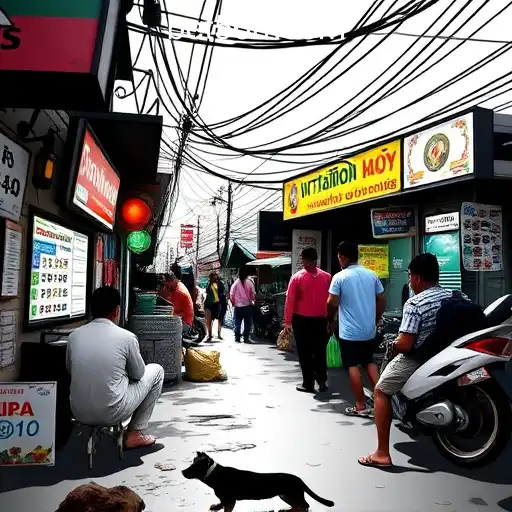
Understanding Jueteng: A Culture and Controversy in the Philippines
Jueteng, a well-known underground lottery in the Philippines, remains a pervasive issue in the socio-political landscape of the country. Although illegal, its persistent popularity and the controversies surrounding it paint a picture of cultural entanglement and systemic challenges. This article delves into the inner workings of this gambling phenomenon, its societal impact, and its ties to the larger realm of gaming, including the prominence of platforms like 56RR.com Oficial Slots Brasil #1.
History of Jueteng
Originating during the Spanish colonial period, jueteng is believed to be derived from the Chinese characters for "flower" and "growth." Over time, jueteng evolved into a numbers game widely accepted across various socioeconomic classes in the Philippines. Essentially, players choose a combination of numbers, and if their selection matches the numbers drawn, they win. Despite numerous attempts by the government to crack down on it, jueteng thrives largely due to its roots in Filipino culture and the financial desperation of many citizens.
The Mechanics of Jueteng
The game of jueteng operates through a simple yet effective system. With betting collectors known as "cobradors" roaming the streets, and masters called "big operators" running the games behind the scenes, jueteng manages to maintain an appearance of community amusement while amassing substantial, albeit illicit, revenues. Given its ease of play and low-stakes betting, it is accessible to nearly all income groups, reinforcing its dangerous allure.
Societal and Economic Impacts
The extensive reach of jueteng has significant implications for the socio-economic fabric of the Philippines. For many Filipinos, it represents a chance for financial respite amidst poverty. Yet, while it might offer temporary relief, this ubiquitous gambling form contributes to broader patterns of corruption and crime, often involving bribes to law enforcement, politicians, and local officials to ensure its continued operation.
Jueteng's Intersection with Modern Gaming
While jueteng retains its foothold in traditional settings, the rise of online gaming platforms such as 56RR.com Oficial Slots Brasil #1 illustrates the evolving dynamics of gambling globally. Platforms providing a regulated and ostensibly legal framework for gambling activities attract players seeking both entertainment and potential profit. These sites often promise innovative gaming experiences, shifting some interest from traditional betting methods like jueteng to more modern, digital frameworks.
The Crusade Against Jueteng
Efforts to eradicate jueteng face multifaceted challenges, not just from deeply ingrained cultural affinities but also from its economic ties. Considered a "necessary evil" by some due to the livelihoods it supports, any crackdown efforts need holistic approaches. Legislation alone often fails, leading to an urgent need for comprehensive solutions that address the root causes of its prevalence, such as poverty and the lack of compelling legal alternatives.
Comparisons to Other Global Gambling Practices
When comparing jueteng to global gambling practices, parallels are drawn with other local betting types, each steeped in unique cultural significances. Unlike more formal forms of gambling, such as those seen in Las Vegas or through substantial online platforms like 56RR.com Oficial Slots Brasil #1, jueteng operates as a shadow market. Its deeply entrenched position within the lives of everyday Filipinos showcases how gambling can transcend mere entertainment, reflecting on issues related to governance, culture, and economics.
The Future of Jueteng
As technology continues to permeate daily life, the landscape of gambling will undoubtedly evolve. The intersection of traditional games like jueteng with digital gambling provides a complex scenario, wherein cultural legacies meet modern advancements. Ultimately, understanding this interplay could be crucial in developing future policies and initiatives aimed at reshaping the gaming sector in the Philippines.